

Figuarts Zero figures by Bandai Tamashii Nations
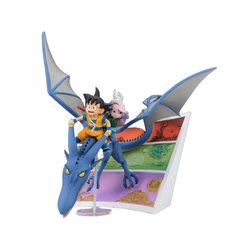
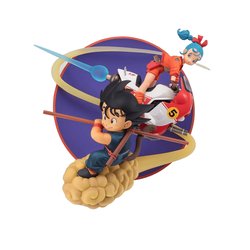
Discover our selection of Figuarts ZERO figures by Bandai Tamashii Nations, a line of static figures launched in 2010 and dedicated to many major manga and anime licences. Sculpture, painting, visual effects and dynamic compositions bring to life characters from One Piece, Dragon Ball, Naruto, Demon Slayer, Berserk and many other universes.

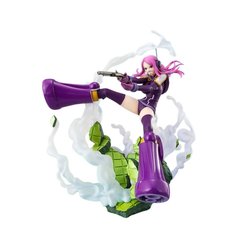

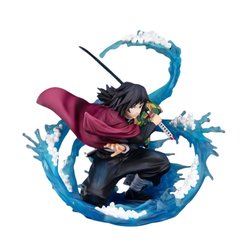
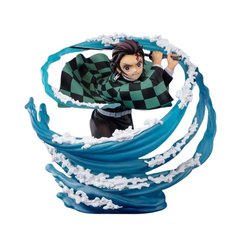
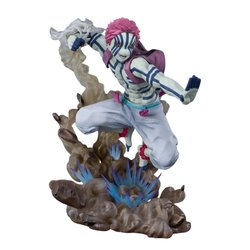
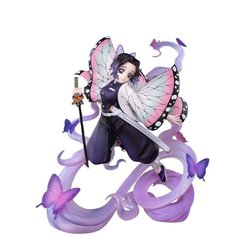
- Out of stock
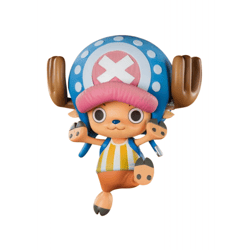
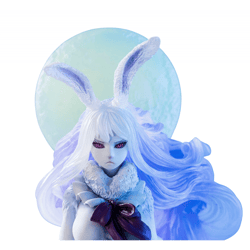
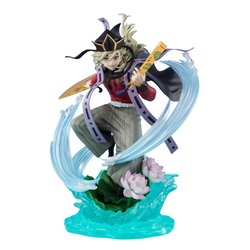
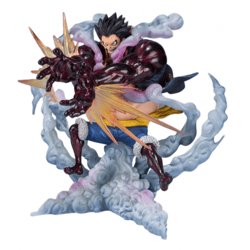
Figuarts ZERO: a range launched by Bandai in 2010
The Figuarts ZERO range by Bandai Tamashii Nations first appeared in 2010. The earliest releases were dedicated to One Piece, with Monkey D. Luffy, Shanks and Marshall D. Teach among the figures released in Japan from November 2010.
Figuarts ZERO was conceived as a collection of fixed-pose figures. Bandai focuses on sculpting and paintwork and, increasingly, on effects that recreate the techniques and universe associated with each character.
The name “ZERO” also distinguishes this non-articulated approach from S.H.Figuarts, another major family of figures developed by Bandai Tamashii Nations.
Over the years, the concept has expanded considerably. The relatively simple figures of the early years have been joined by battle scenes, compositions combining characters and environments, special finishes and several sub-ranges, each with its own identity.
How are Figuarts ZERO figures designed?
Sculpting lies at the heart of Figuarts ZERO.
The absence of an articulation system allows the sculptor to work directly with a specific pose without having to incorporate the cuts required for movement at the shoulders, elbows, hips or knees.
This freedom makes it possible to recreate particularly dynamic attitudes, transformations, attacks or simply an iconic pose associated with the character.
Paintwork also plays an important role. Differences in texture and finish help distinguish skin, clothing, armour, hair and the various elements of a composition.
Effects have gradually become much more prominent within the range. Flames, water, smoke, lightning, energy and debris now allow certain releases to depict a complete scene rather than the character alone.
What materials are used for Figuarts ZERO?
Figuarts ZERO figures are primarily made from PVC and ABS.
PVC is particularly well suited to the sculpted parts of the figure, while ABS can be used for components requiring greater rigidity, including supports, bases and certain elements of the composition.
Bandai also uses transparent or translucent plastics to recreate effects such as fire, water, lightning and different forms of energy.
The exact distribution of materials varies depending on the release and is determined by the size of the model, its sculpt and the complexity of its effects.
Are the effects and bases removable?
It depends on the release, but a Figuarts ZERO figure is always conceived as a complete composition whose different elements are intended to work together.
Flames, energy attacks, environmental elements and motion effects should therefore not automatically be considered removable.
What is Figuarts ZERO EXTRA BATTLE?
EXTRA BATTLE, known as Chou Gekisen in Japan, is one of the main variations of Figuarts ZERO.
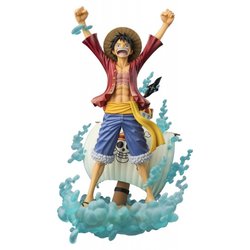
This series focuses on particularly spectacular battle scenes, with highly dynamic poses and effects that often occupy a significant part of the composition.
Energy attacks, flames, lightning, smoke and debris place the character directly within the action rather than presenting them in a relatively neutral pose.
One Piece and Dragon Ball are among the licences most strongly represented in EXTRA BATTLE.
The name does not correspond to a particular size or scale. Instead, it defines an artistic direction centred on combat, movement and visual effects.
What is Figuarts ZERO KIZUNA Relation?
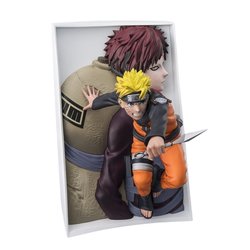
KIZUNA Relation is a variation developed primarily around Naruto.
The Japanese word kizuna refers to the bonds connecting people. Bandai uses this idea to design several figures whose poses, effects and compositions maintain a visual relationship with one another.
Naruto, Sasuke, Gaara and Jiraiya are among the characters represented in this collection.
KIZUNA Relation should not, however, be reduced to a system of bases designed to connect together. The concept is more about visual continuity between several products, creating a coherent ensemble when different figures are displayed side by side.
What is Figuarts ZERO chouette?
Figuarts ZERO chouette is a specific branch of Figuarts ZERO that focuses more strongly on depicting memorable scenes and moments.
Rather than systematically emphasising an attack or confrontation, this collection seeks to recreate an attitude, an interaction between characters or a recognisable scene from the original work.
The range has notably included characters from Sailor Moon, Urusei Yatsura and Ranma 1/2.
It therefore uses the sculpting techniques developed for Figuarts ZERO in an approach that is generally more narrative and less focused on combat.
What was Figuarts ZERO EX?
Figuarts ZERO EX was a larger-format, more premium variation of the range.
Bandai presented it as an extension that used greater dimensions to further develop the sculpting, paintwork and visual presence of the character.
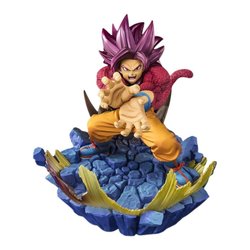
Several Dragon Ball characters were released in this collection, including Super Saiyan 3 Goku, Super Saiyan Vegeta, Super Saiyan Trunks, Super Saiyan 4 Goku and Majin Buu.
Figuarts ZERO EX should therefore be clearly distinguished from EXTRA BATTLE: the former primarily referred to an increase in format and market positioning, while the latter defines an artistic approach dedicated to battle scenes.
What is Figuarts ZERO Touche Metallique?
Figuarts ZERO Touche Metallique is a more recent premium direction within the collection.
Bandai combines metallic finishes with traditional painting techniques to give greater depth to surfaces representing armour, weapons and other metallic elements.
This approach is particularly well suited to characters whose appearance relies heavily on metallic reflections and textures.
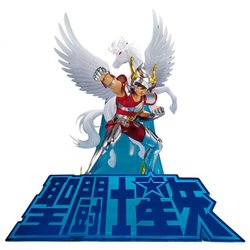
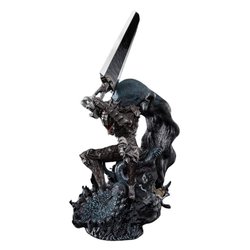
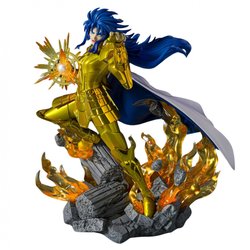
Characters such as Pegasus Seiya and Gemini Saga from Saint Seiya, as well as Guts in Berserker Armor from Berserk, have notably been adapted into this collection.
Their dimensions, finishing techniques and level of complexity place these releases noticeably above the simplest Figuarts ZERO figures in terms of positioning.
What is Figuarts ZERO STARTune?
STARTune is the latest branch of Figuarts ZERO, introduced in 2026.
Its concept is to integrate the character into a vignette or small diorama, notably using perspective to represent a larger environment without giving the product the dimensions of a full-sized diorama.
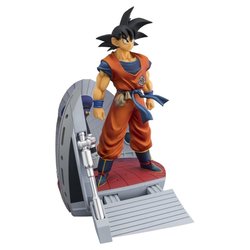
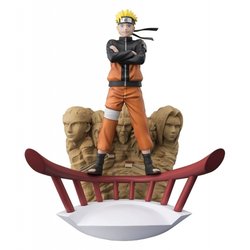
The first releases are based on One Piece, Naruto Shippuden and Dragon Ball Z.
Son Goku, for example, is represented upon his arrival on Namek, with various elements of his spacecraft incorporated into the scene. Naruto appears in a composition that notably incorporates the Hokage Monument and various architectural elements.
STARTune therefore develops a more narrative approach: the environment becomes an essential part of the figure and immediately identifies a location or moment from the original work.
Which licences are available as Figuarts ZERO?
The range began with One Piece, which has remained one of its major licences.
Over the years, Bandai has developed numerous Figuarts ZERO figures based on major manga and anime licences, including Dragon Ball, Naruto, Demon Slayer, Sailor Moon, Berserk, Ranma 1/2 and many others.
Some works have received only a handful of releases, while others have developed into genuine collections spanning several years.
How much does a Figuarts ZERO cost?
There is no longer a single price range that represents the collection as a whole.
In its early years, Figuarts ZERO was notably conceived as a collection that was relatively easy to buy and build. The first figures were compact and offered at comparatively accessible prices.
The range has since diversified considerably.
The simplest releases can still fall within a relatively accessible price range, while models featuring numerous effects, extensive scenery or special finishing techniques can reach much higher prices.
The price mainly depends on the size of the piece, the complexity of the sculpt, the volume of the effects and the type of finish used.